How to Build a Data Center That Meets Your Organizational Needs
How to Build a Data Center That Meets Your Organizational Needs
Blog Article
The significance of data centers as vital infrastructure for data storage, management, and distribution cannot be ignored. If you are searching for suitable data center space for lease or seeking insights into the range of services they provide, recognizing the necessity of effective data center solutions is essential. As digital technologies continue to evolve rapidly, businesses must pay close attention to their data strategies, particularly when choosing a data center read more. With an increasing dependence on data and digital services, data centers become the foundation upon which these operations are built. They not only house servers but also play a crucial role in data security, making it important for companies of all sizes to comprehend the various data center services and infrastructure. Data centers serve as specialized facilities dedicated to housing computer systems and their ancillary components, including telecommunications and storage infrastructure. Their role transcends mere storage solutions; these centers are instrumental in delivering vital services such as data processing, data backup, disaster recovery, and robust security measures. Organizations ranging from fledgling startups seeking a nearby colocation data center to massive corporations operating hyperscale data centers to accommodate extensive workloads rely on these facilities. The typical composition of a data center encompasses an array of hardware, including servers, routers, and storage devices, complemented by systems specifically designed to optimize power management, maintain cooling, and ensure security. The importance of cybersecurity cannot be overstated in today’s landscape, where cyberattacks are increasingly common. As such, data center operators adopt rigorous protocols to protect sensitive data. Modern data centers are characterized by physical security enhancements, such as biometric access control and comprehensive surveillance systems. Selecting an appropriate location for a data center is equally crucial as the services it delivers. In the United States, data centers are often strategically located to minimize latency and maximize operational efficiency. For instance, a data colocation center situated within close proximity to major urban hubs can significantly improve connectivity and shorten the response time for data exchanges between servers and end-users. Additionally, the geographic position of a data center can impact factors such as power availability, environmental conditions, and regulatory compliance. Regions vulnerable to natural disasters necessitate additional precautions to maintain data integrity. This aspect is particularly vital for businesses engaged in enterprise AI and those that handle substantial datasets. Colocation data centers offer organizations the opportunity to rent space for servers and other hardware without the need to invest in building and maintaining their own data center. This model has gained popularity due to its cost-effectiveness and efficiency. By sharing space with multiple clients, businesses can enjoy high-quality infrastructure without the steep overhead costs usually associated with data center construction. Hyperscale data centers, on the other hand, cater to the needs of large-scale operations, including major tech companies and cloud service providers. These facilities are designed to efficiently scale resources to accommodate fluctuating workloads. Hyperscale environments facilitate automated resource management, enabling organizations to rapidly adjust their capabilities in response to evolving demands—an essential component for businesses reliant on AI data centers. Data center infrastructure encompasses the large array of systems and technologies that support connections and operations. Essential elements include server units, networking equipment, storage solutions, cooling systems, and backup power supplies. Understanding this complex framework can help companies select the right data center services to meet their unique needs. Many data centers provide comprehensive services, such as managed hosting, disaster recovery, and dedicated connections to cloud services. Businesses must carefully assess what services are essential, considering both current and future needs. These factors will influence their choice in not only data center providers but also the specific infrastructure required for their data systems. For organizations looking for an overview of various options available, the topic of data centers provides a comprehensive understanding of types, uses, and technologies involved. To ensure you get the most from your data center investment, stay ahead of the competition by following these proven tips. Data center space refers to the physical area within a facility designated for storing servers and IT equipment, along with the necessary supporting infrastructure. When choosing a data center provider, assess your specific needs, consider budget constraints, evaluate scalability and security measures, and prioritize location for optimal performance. Costs for data center space can vary significantly based on location, size, service offerings, and lease length. Generally, providers charge monthly based on the amount of space and the services utilized. Grasping the complexities of data center space and its services can significantly help businesses make choices that support their goals. As technology continues to advance, selecting the right data center infrastructure will offer a distinct competitive edge. The increasing necessity for secure and efficient data management highlights the importance of meticulously chosen data centers that meet the specific needs of every organization. In assessing data center space, prioritize evidence of performance, transparent reporting, and whether the strategy aligns with your market and timeline. Ambiguous assurances without a clear measurement framework should raise concerns. Inquire about how progress is monitored, what services are included versus optional, and how the provider adapts strategies when performance dips. Establishing a written agreement before making payments safeguards both parties.The Core Functions of Data Centers
Data Center Locations and Their Importance
The Shift Towards Colocation and Hyperscale Data Centers
Understanding Data Center Infrastructure and Services
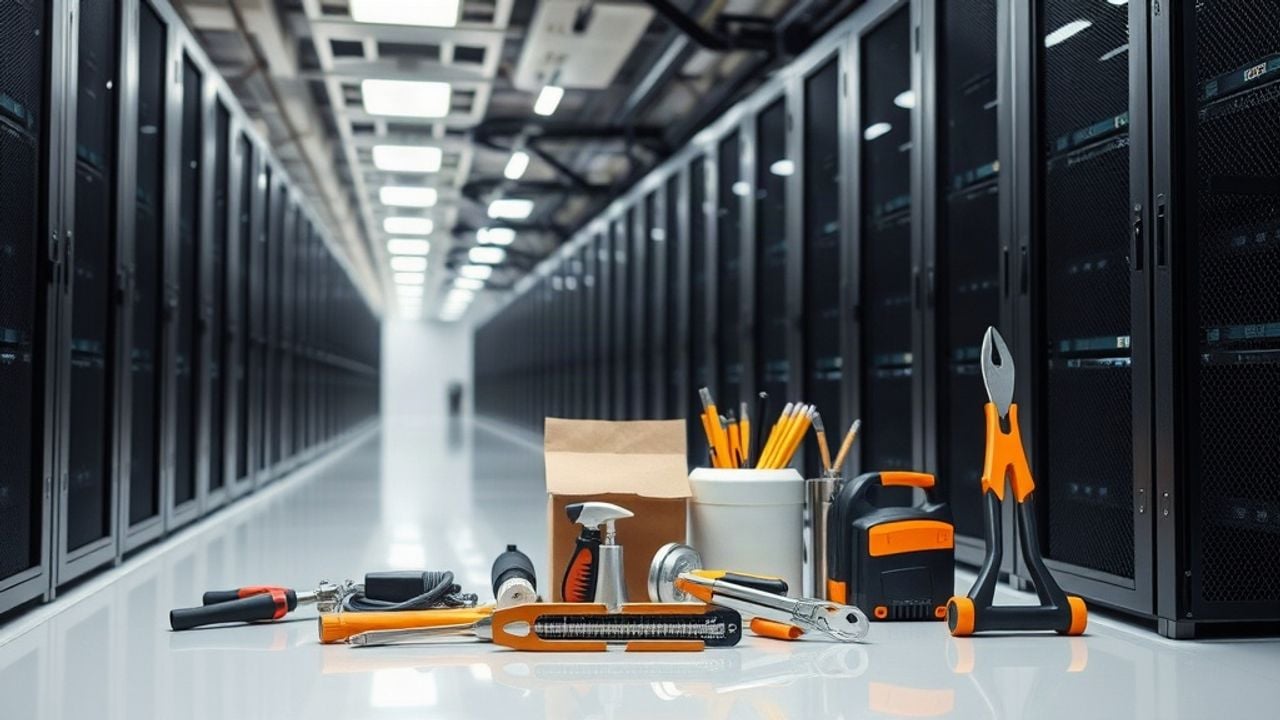 data center space for leasedata center data
Best Practices for Maximizing Data Center Efficiency
Frequently asked questions
What is data center space?
How do I choose a data center space provider?
How much does data center space cost?